
Programming with Python : Installing Python on your Desktop | IT NETWORKS

Installing Python on your Desktop


First of all, we need to install Python, In order to do that, we should go to PYTHON's official website and download it from there.

Here is a link to download Python

python, python dictionary, python tutorial python download, python programming, python array, a python program, a python code, python certification, python code,

Python is available for Linux, Windows, and macOS, choose the installation file based on the type of OS you're using.

On windows 10, The installation is very simple you'll need to download the executable and then simply launch it.


Do not forget to select "ADD PYTHON (Python version) to PATH" at the beginning of the installation process.

python, python dictionary, python tutorial, python download, python programming, python array, a python program, a python code, python certification, python code,


After the installation is complete and in order to test Python you can open a simple Command Line Prompt than just type "Python"
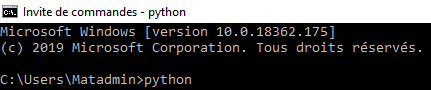
python, python dictionary, python tutorial, python download, python programming, python array, a python program, a python code, python certification, python code,


If it displays this kind of message :

python, python dictionary, python tutorial, python download, python programming, python array, a python program, a python code, python certification, python code,

Then everything is fine.

Try this message :

>>>print("Hello world")

python, python dictionary, python tutorial, python download, python programming, python array, a python program, a python code, python certification, python code,


and it will print out Hello World message 


This is it! 
enjoy

Comments

Popular posts from this blog

Automating VLAN Creation on Cisco Devices with Ansible

  Automating VLAN Creation on Cisco Devices with Ansible Ansible is a powerful automation tool that simplifies network management tasks, including creating VLANs on Cisco devices. For beginners, this guide will walk you through automating VLAN creation step-by-step, from setting up Ansible to deploying VLAN configurations. What is a VLAN? A VLAN (Virtual Local Area Network) is a logical group of devices within a network that can communicate as if they were on the same physical network, regardless of their physical location. VLANs improve network efficiency and security by segmenting traffic. Why Use Ansible for VLAN Automation? Consistency: Avoid manual configuration errors. Efficiency: Configure multiple devices in seconds. Scalability: Manage large-scale networks easily. Flexibility: Supports various Cisco devices and integrates with other tools. Prerequisites Cisco Device Configuration: Ensure your Cisco devices support SSH and are configured to allow Ans...

20 Linux Commands for Listing Users, Folders, and Processes on Ubuntu and Red Hat

 Linux provides a variety of commands to retrieve information about system users, directories, and processes. This article presents 20 essential Linux commands for listing and managing users, folders, and processes, applicable to both Ubuntu and Red Hat systems. 1. Listing Users cat /etc/passwd Displays a list of all users on the system along with their user IDs, home directories, and shells. getent passwd Fetches user information from the system's databases, useful in environments with LDAP or NIS. who Shows all users currently logged in to the system. w Displays detailed information about logged-in users, including their active processes. users A simple command that lists the currently logged-in users. id [username] Displays user ID (UID), group ID (GID), and group memberships for a specific user. finger [username] Provides information about a user, including their real name, login time, and more. (May require installation: sudo apt install finger...

30 Linux Commands You Should Know

Linux is a powerful operating system used by developers, system administrators, and tech enthusiasts worldwide. Whether you're new to Linux or brushing up on your skills, here are 30 essential commands every Linux user should know: Start Learning   Linux Fundamentals  For Free 1. ls Lists files and directories in the current directory. ls 2. cd Changes the current directory. cd /path/to/directory 3. pwd Prints the current working directory. pwd 4. touch Creates an empty file. touch filename 5. mkdir Creates a new directory. mkdir new_directory 6. rm Removes files or directories. rm filename Use rm -r for directories. 7. cp Copies files or directories. cp source destination 8. mv Moves or renames files and directories. mv oldname newname 9. cat Displays the contents of a file. cat filename 10. nano Opens a simple text editor. nano filename 11. vim A powerful text editor. vim filename 12. chmod Changes file permissions. chmod 755 filen...